Spinal Orthopedic Rehabilitation
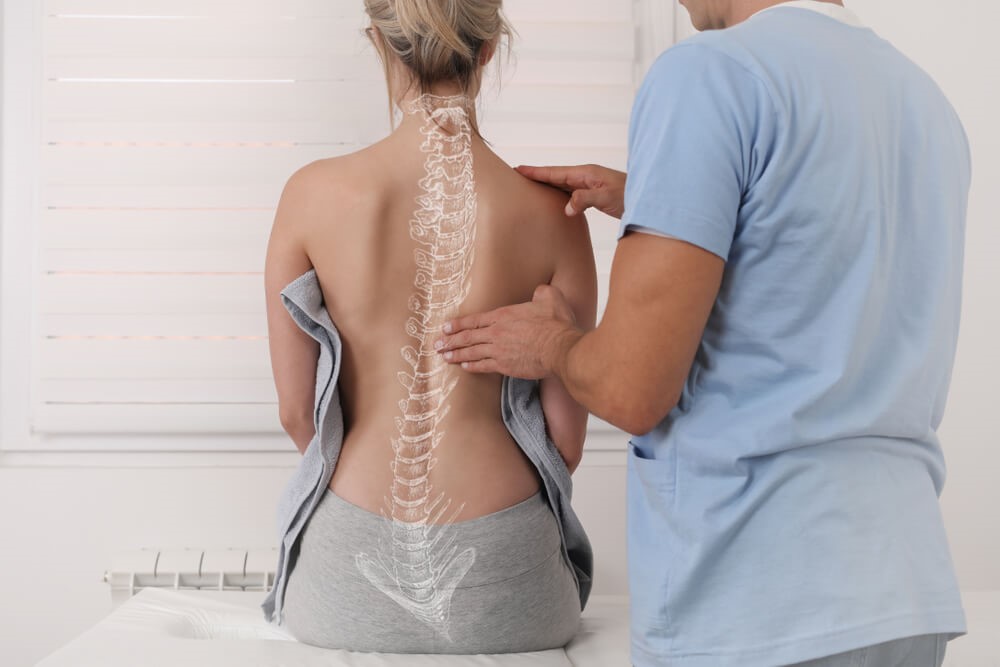
Spinal orthopedic rehabilitation is a specialized area of physical therapy that focuses on treating conditions and injuries related to the spine and associated soft-tissues (intervertebral discs, muscles, ligaments). It involves a comprehensive approach to address issues such as back pain, spinal injuries, herniated discs, scoliosis, facet pathology and many other orthopedic spine disorders.
The rehabilitation process may include exercises, manual therapy, postural re-training and other interventions specifically tailored to the individual’s specific complaints and condition. The goal at Central Virginia Physical Therapy is to identify and address each patient’s impairments and improve spinal stability, mobility, strength and function while reducing pain and promoting overall spinal health.
Intervertebral Disc
The intervertebral disc is a fibrocartilaginous structure found between the bodies of the vertebra. There is a disc between each pair of vertebra in the spine except for the first and second cervical level (atlas and axis).
The disc is similar to a jelly donut. It has a series of outer fibrous rings (annulus fibrosis) surrounding a gelatinous center (nucleus pulposus). The outer annular rings are thinnest posterior and lateral. Most disc herniations occur here due to the weakness of the disc wall. The disc functions as a cushion, allows for movement, and serves as a cartilaginous joint between adjacent vertebrae.
Inflammation, damage or degeneration of a disc can cause a range of symptoms that vary based on the severity of the problem. Disc pathology may produce a loss of back motion, back pain, radiating pain into the leg and the foot, numbness, tingling, lower extremity (leg) weakness and associated muscle spasm or some combination of these symptoms. The lumbar fourth and fifth (L4-L5), and lumbar fifth and sacrum (L5-S1) levels have the highest rate of disc degeneration and herniation.
Degenerative Disc Disease
Degenerative disc disease is not an actual disease but is the term used to describe the progression of changes, gradual wear and tear, and dysfunction associated with symptoms secondary to disc degeneration. Degeneration of the disc is normal with aging but can be accelerated in certain situations as a result of trauma, repetitive strain or injury and musculoskeletal imbalances like scoliosis. Disc degeneration itself is not a problem, but the associated conditions that may develop as it progresses can be symptomatic and debilitating.
Physical Therapy Treatment
Physical Therapists are professionals, educated and trained to administer interventions. As defined by The Guide to Physical Therapist Practice, interventions are the skilled and purposeful use of physical therapy methods and techniques to produce changes consistent with the diagnosis, prognosis and the patient or client’s goals.
Your physical therapist will perform a thorough evaluation to assess and determine the following:
- Spinal Examination where the patient is put through a series of movements and tests to determine the most probable cause of the condition.
- Strength: resisted testing is performed to determine if there is associated weakness or strength imbalances.
- Flexibility: tight muscles can contribute to poor mechanics and weakness, thus creating imbalances and making one more susceptible to disc and back injuries.
- Posture Analysis, ADL’s and technique: discuss and observe the activity that may have started the problem. Examination of dynamic and static postures that may have caused or contributed to your current back problem. A review of your current activities at home and work that may or may not be causing or prolonging your present condition.
Physical therapy for back and degenerative disc problems must remain conservative at the onset to avoid aggravating the condition. Emphasis will be on rest, reducing the inflammation and increasing the blood circulation for healing. Once the initial inflammation has been reduced, a program of stretching and strengthening will be initiated to restore flexibility to the joints and muscles involved while improving strength and stability to the spine. Your program design will be based on the structure and cause of your symptoms. A program not tailored to your problem could aggravate your symptoms.
Prognosis
Most disc problems improve without surgery and return to normal function. Duration of treatment can range from 4 to 12 weeks depending on the severity of the symptoms. Patients need to continue with a regiment of stretching, strengthening and stabilization exercises. Use of proper mechanics, body mechanics and awareness of the do’s and don’ts for a healthy back is necessary for a good long-term prognosis. The attitude of, “once you have a back problem, you have a back problem” goes a long way to preventing further injury.