Golf
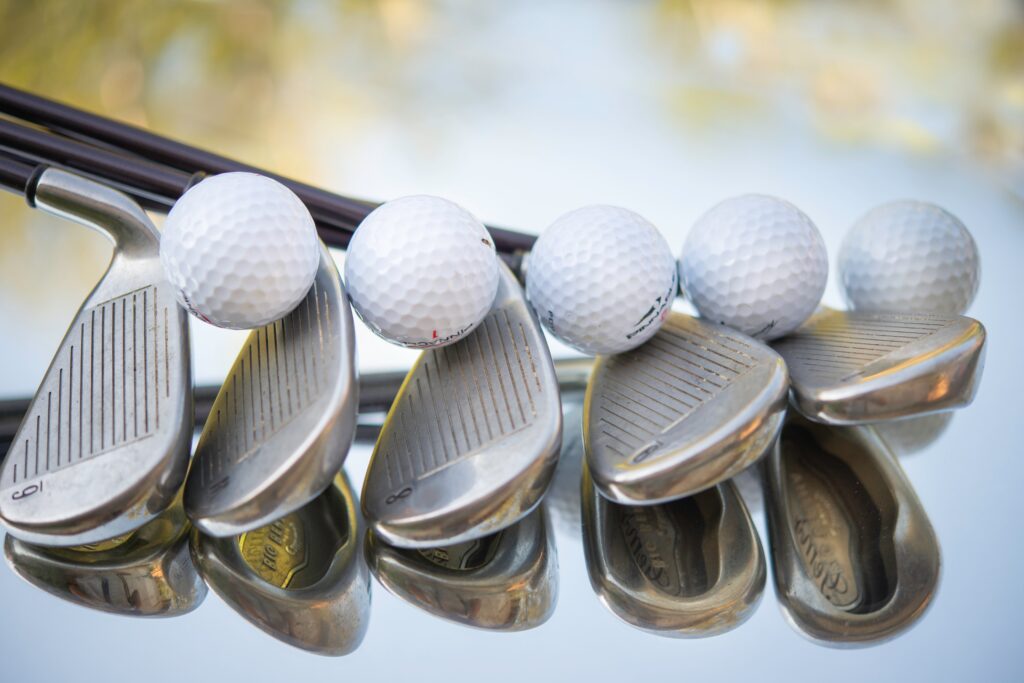
Golf is an activity enjoyed by men and women, children, professional athletes and even retirees. With such a wide range of participants, it’s no surprise that the repetitive motions associated with the perfect swing can cause golf injuries. Performing the same activities over and over again can cause wear and tear on the structures of the body most active in playing a game of golf.
Golfers are typically prone to injuries that affect the upper body. This includes the back, neck and spine, and the upper extremity, particularly the shoulder and elbow joints. The most common golf injuries include back pain, sprains and strains to the muscles, ligaments, and tendons in the upper body, and injuries to the shoulder and elbow joints.
Causes
- Poor flexibility
- Inadequate overall conditioning
- Playing or practicing too often
- Failure to warm-up properly
- Poor mechanics when swinging the club
- Striking the ground with the club
- Inconsistent play, or large spans of time where the player isn’t practicing
Risk Factors
There are intrinsic and extrinsic risk factors for injury. Intrinsic factors are a child’s individual musculoskeletal issues, which can include skeletal immaturity (bones and joints that are still developing) or muscle weakness. Extrinsic factors are the environment in which an athlete performs, which can include the level of competition: how much, how hard and how long play lasts.
Other common risk factors for golf injuries include:
- Poor flexibility, which is particularly damaging for all four phases of the golf swing (backswing, downswing, acceleration/ball strike, and follow through), which can stress the joints of the upper extremity.
- Traumatic injuries that occur due to the golfer striking the ground or another object with the club.
- Repetition of the motions involved in playing golf puts repeated stress on the joints including the neck, shoulder, elbow, wrist, hips, knees, and ankles.
Prevention and Performance
The majority of golf-related injuries are overuse injuries caused by the repetitive strain placed on the body by completing motions over and over. Because of this, improper swing mechanics plays a large role in the development of golf injuries.
Other ways to avoid injury include:
- Proper swing mechanics, to avoid putting additional stress on the joints of the back, shoulder, and elbow.
- Warming-up prior to participating in a round of golf (start with gentle putting and chipping to finally driving).
- Strengthening and conditioning programs designed by a sports health professional to improve performance and decrease the risk of injury.
- Core exercises to strengthen the upper body and lower the risk of back and joint injuries.
- Stay hydrated to avoid heat related illness (consume water or sports drinks)
- Proper equipment can help decrease the risk of blisters on the hands and fingers, avoid skin injuries like sunburn, and provide support for proper mechanics.
- Selecting clubs with larger grips
- Neutral grip on the golf club
- Irons which lessen vibration due to larger heads and “sweet spots”
- Graphite clubs will also lessen the vibration
- Correct club length with the end of the club extending slightly beyond the palm of the lead hand.
If pain or injury is preventing you from swinging your clubs, contact Central Virginia Physical Therapy to schedule an appointment with one of our Titleist Performance Institute (TPI) trained physical therapists today.