Dry Needling
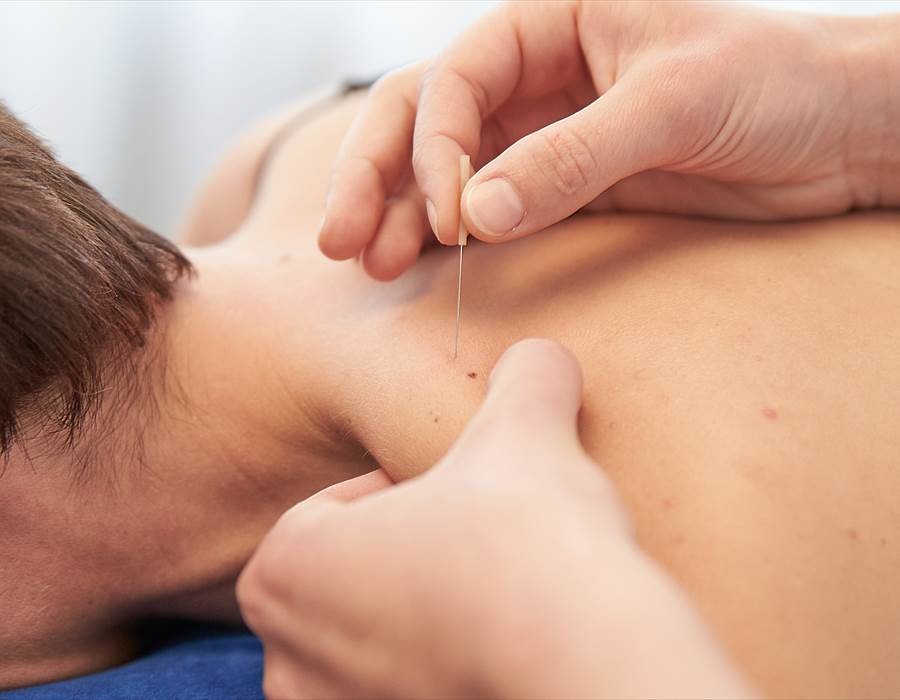
Dry needing is a technique that physical therapists and other trained healthcare providers use to treat musculoskeletal pain and movement issues. It is almost always used as part of a larger pain management plan that would include exercises, stretching, soft-tissue work and other therapeutic techniques. During this treatment, the trained physical therapist inserts thin, sharp needles through your skin to treat trigger points, inflamed tendons/ligaments or arthritic joints. When dry needling is applied to your muscles and tissues, it can decrease tightness, increase blood flow and reduce local and referred pain.
Does Dry Needling hurt?
Trigger points and other inflamed tissues are usually painful to the touch so there might be some minor discomfort during needle insertion. Sometimes, people don’t even feel the needles going in because they are so small. Afterwards, you might feel tightness or soreness near the insertion site, but it’s important to keep moving and stretching.
What does Dry Needling do?
Dry needling may help relieve pain, increase your range of motion and stimulate muscles to contract better. Conditions that dry needling may help with include:
- Tendinitis
- Joint pain and stiffness
- Intervertebral disc issues
- Tension-type headaches
- Acute/chronic neck and back pain
- Whiplash
- Repetitive motion disorders, such as carpal tunnel syndrome.
What happens after a dry needling procedure?
After your dry needling treatment, your provider will remove the needles and examine your skin for any reactions. Your provider will then have you get up slowly. If you are experiencing any dizziness or lightheadedness, they will have you sit back down until symptoms dissipate. After your treatment, make sure to drink plenty of water to stay hydrated. You may experience increased muscle soreness after the treatment but it’s important to keep moving. This is normal and may last for 24-36 hours.