
Tennis
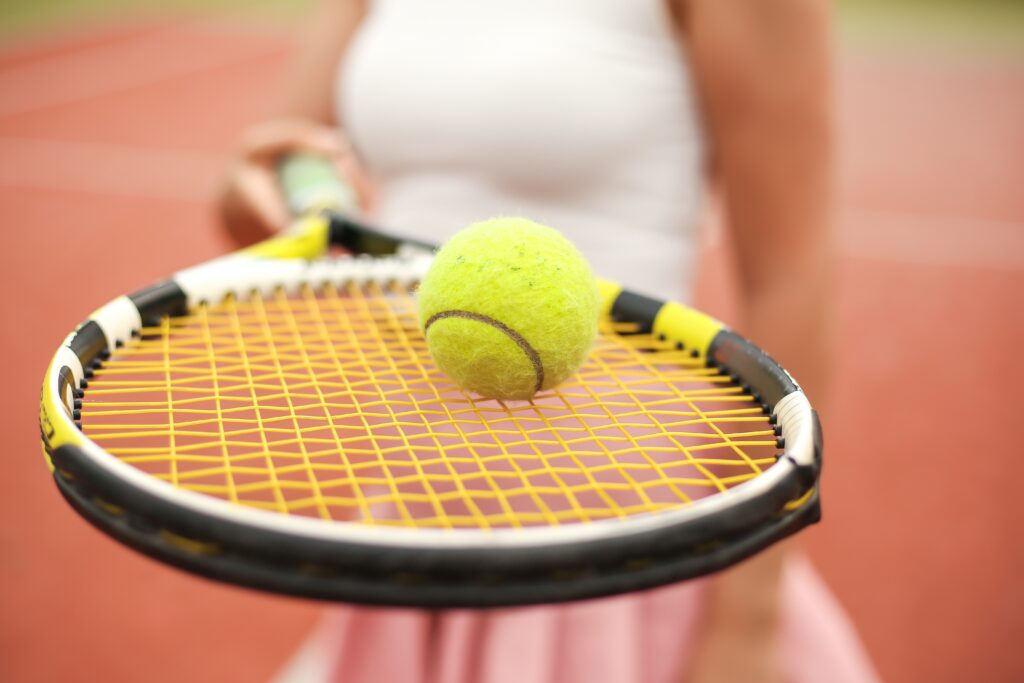
Tennis, like golf, is an activity enjoyed by men and women, children, professional athletes and even retirees. With such a wide range of participants, it is no surprise that the repetitive motions associated with swinging a tennis racquet can cause injury. Performing the same activities over an over again can cause wear and tear on the structures of the body most active in playing a game of tennis.
Tennis players are typically prone to injuries that affect the upper extremity, associated with swinging the racquet; and the lower extremity, associated with running back and forth on the court, while stopping and starting abruptly. Tennis injuries often affect the shoulders, elbows, wrists, knees, ankles and feet. The most common tennis injuries include sprains, strains, tendonitis, bursitis, instability, dislocations, tears and ruptures.
Causes
- Overuse is the primary factor for most shoulder, elbow, and wrist injuries in tennis.
- Over two thirds of tennis injuries are related to overuse, but the remaining injuries are due to acute or traumatic events.
- Rapidly increasing training for young players can result in stress fractures in the leg, ankle, or foot.
Risk Factors
There are intrinsic and extrinsic risk factors for injury. Intrinsic factors are a child’s individual musculoskeletal issues, which can include skeletal immaturity (bones and joints that are still developing) or muscle weakness. Extrinsic factors are the environment in which an athlete performs, which can include the level of competition: how much, how hard and how long play lasts.
Other common risk factors for tennis injuries include:
- Poor warm-up
- Poor fitting equipment
- Poor conditioning
- Poor technique
Prevention and Performance
The majority of tennis-related injuries are overuse injuries caused by the repetitive strain placed on the body by completing motions over and over. Because of this, improper swing mechanics play a large role in the development of tennis injuries.
Other ways to avoid injury include:
- Strengthening of the muscles of the shoulder, elbow, wrist, and hand will help decrease the risk of upper extremity injuries.
- Proper grip size, racket tension, and overall fit of racket to player.
- Proper technique improves performance but also will lower the chance of injury.
- A warm-up designed by a sports health professional should be included prior to practice or play.
- A sports health professional like a sports physical therapist can design and implement a conditioning program to keep the athlete playing and not sitting out rehabilitating an injured body part.
- Proper footwear should be worn to decrease the number of knee, ankle and foot injuries